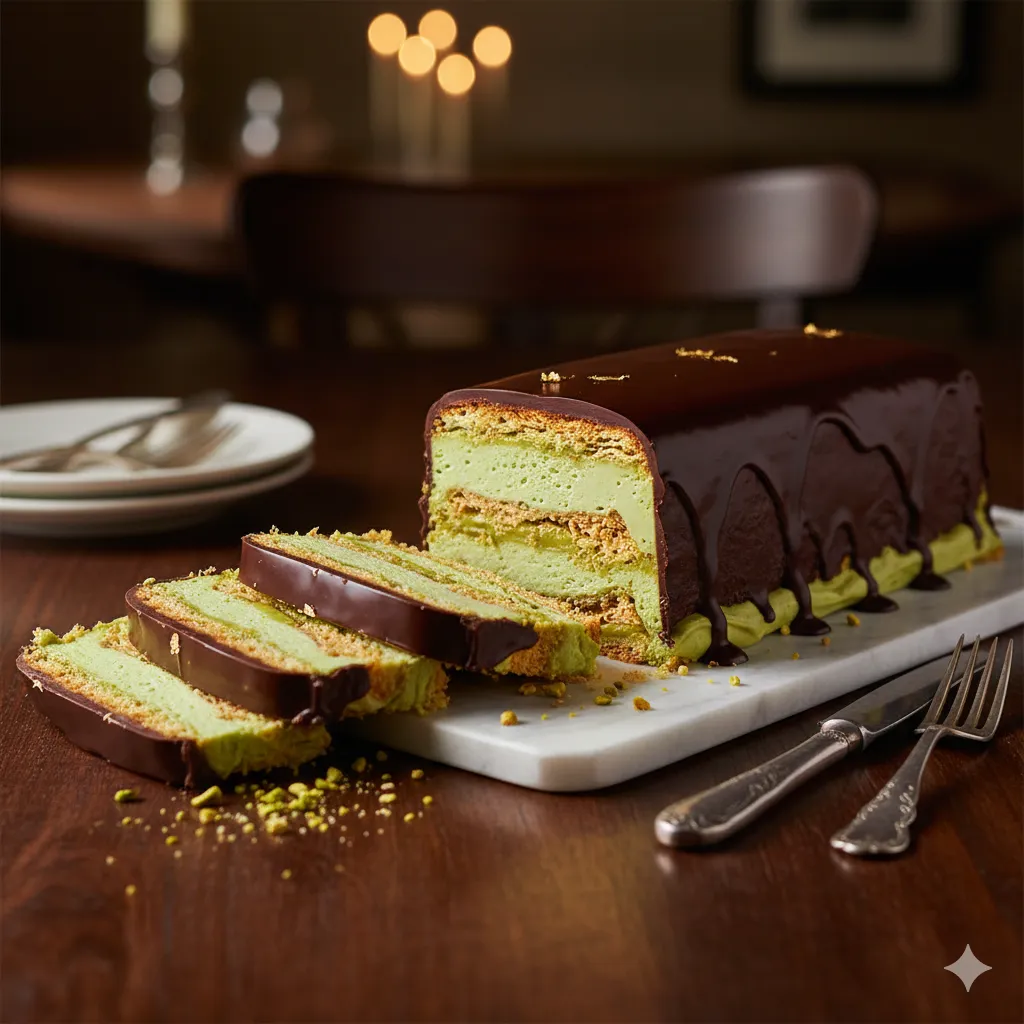
Pistachio Kataifi Semifreddo
An Italian-inspired frozen dessert — silkier than ice cream, softer than sorbet — with pistachio cream and layers of golden kataifi. Spectacular sliced at the table.
- Semifreddo Base
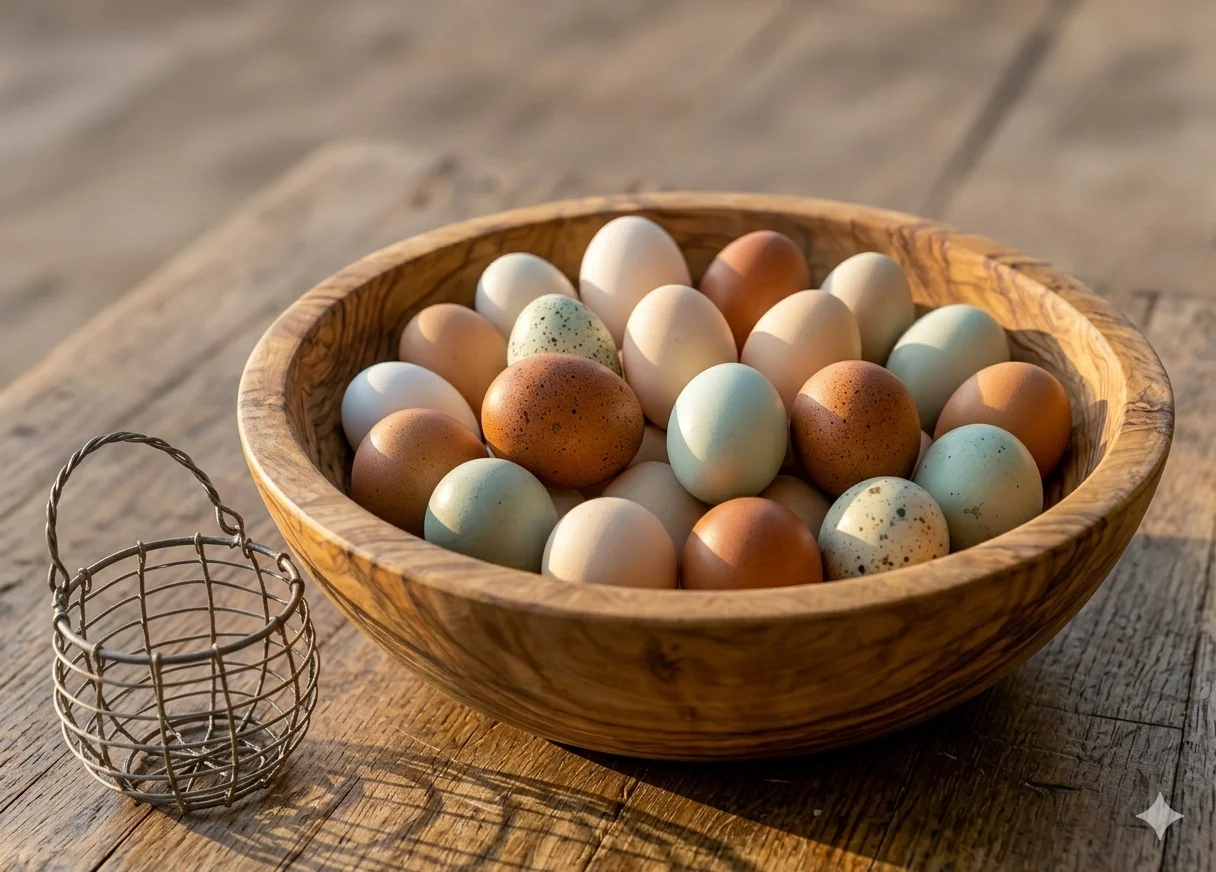
- Eggs4 large
- Egg yolks2
- Caster sugar150g
- Heavy whipping cream (very cold)400ml
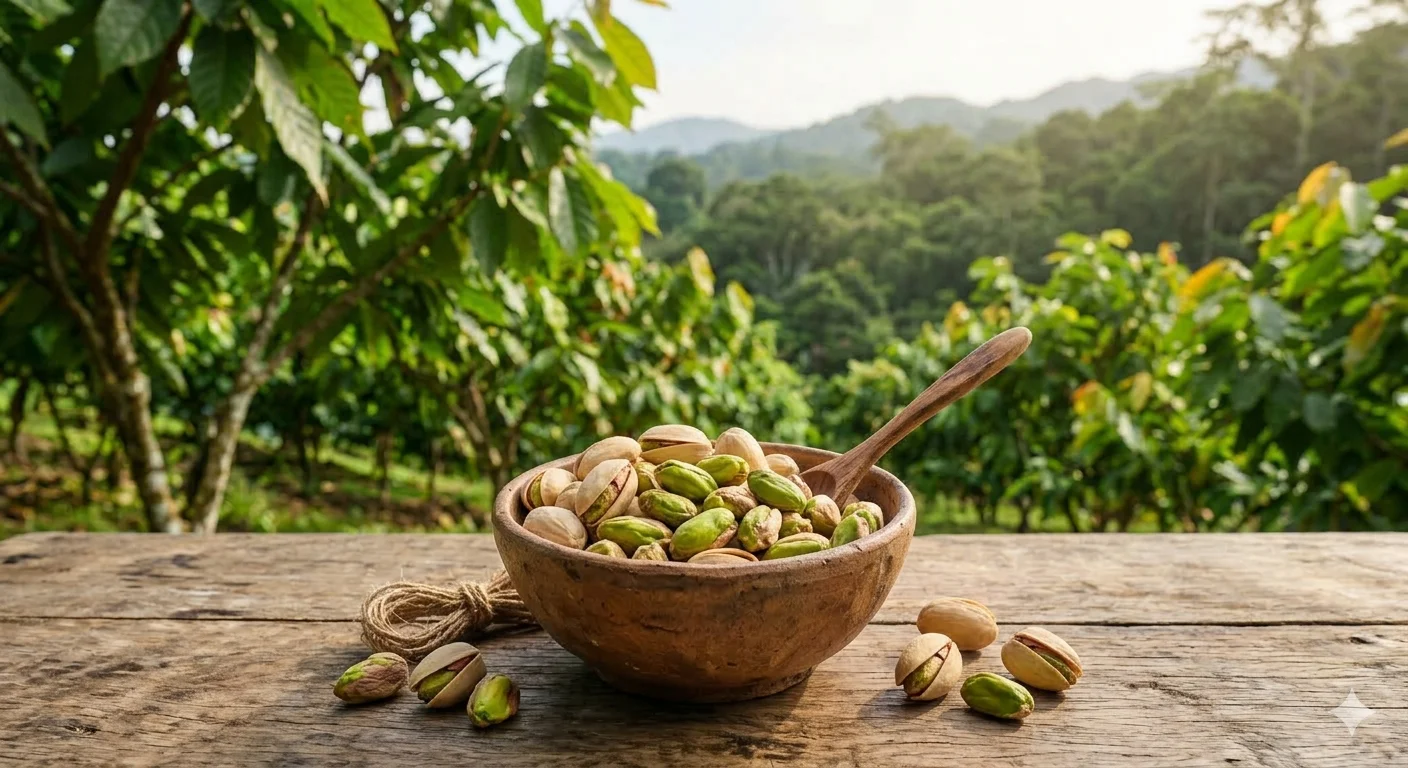
- Pistachio cream150g
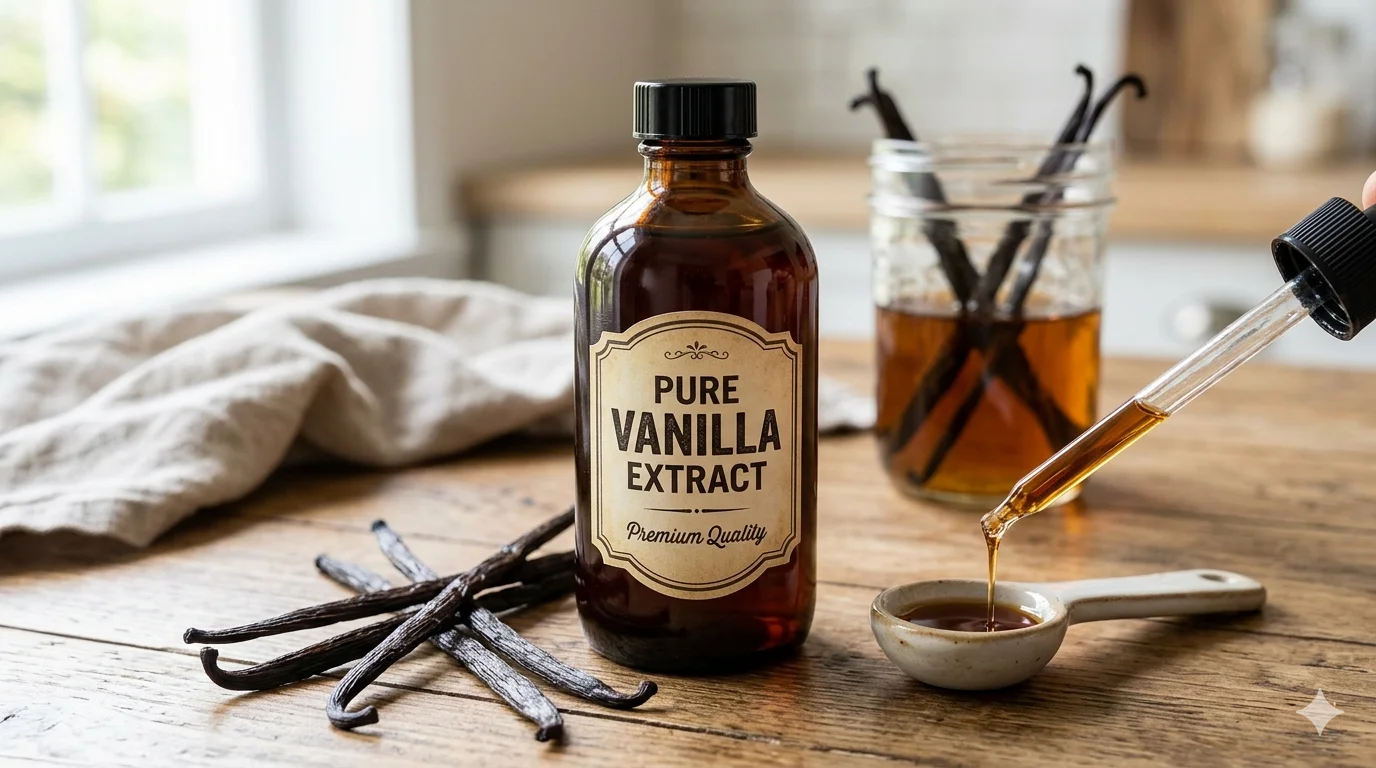
- Vanilla extract1 tsp
- Fine saltpinch
- Kataifi Layers
- Kataifi pastry150g
- Unsalted butter30g
- Pistachio cream (for layering)80g
- Chocolate Glaze
- Dark chocolate (70%)150g
- Heavy cream100ml
- Line a 900g (2lb) loaf tin with two layers of cling film, leaving generous overhangs on all sides. This allows you to lift the semifreddo out cleanly.
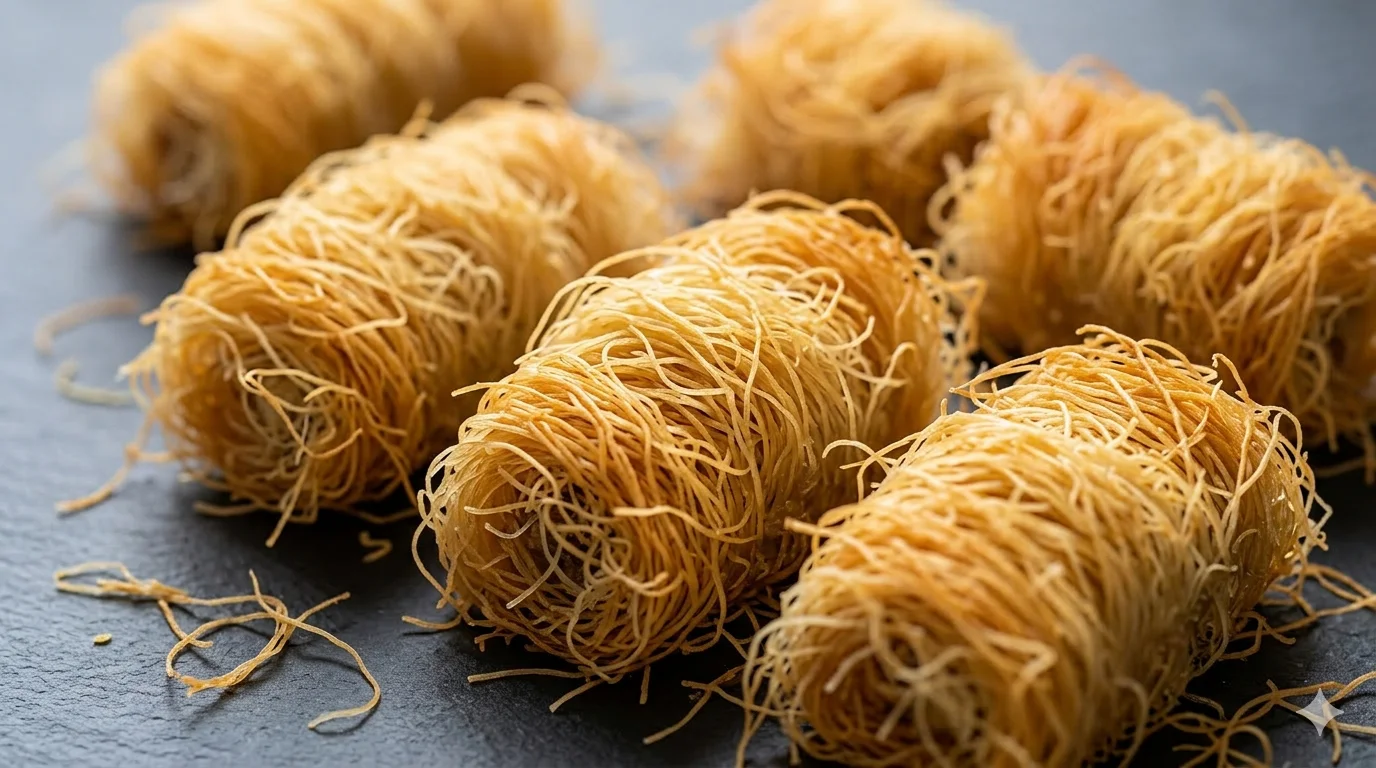
- Toast kataifi in butter until golden. Mix with the 80g of pistachio cream. Spread on a tray to cool. Divide into two portions.
- In a large heatproof bowl over a pot of simmering water (bain marie), whisk together whole eggs, egg yolks, and sugar. Whisk continuously for 8–10 minutes until the mixture triples in volume, turns pale yellow, and holds a thick ribbon when the whisk is lifted. Remove from heat and continue whisking until cool — about 5 minutes with an electric mixer. This is the pâte à bombe.
- Fold pistachio cream, vanilla, and salt into the cooled egg mixture gently.
- In a separate cold bowl, whip the heavy cream to soft peaks (not stiff). Fold into the pistachio egg mixture in three additions, keeping as much air as possible. The mixture should be light and mousse-like.
- Pour one-third of the semifreddo into the loaf tin. Scatter half the kataifi mixture over the top. Add another third of the semifreddo, scatter remaining kataifi. Top with the final third of semifreddo and level the surface.
- Fold the cling film overhang over the top to cover completely. Freeze overnight (minimum 8 hours).
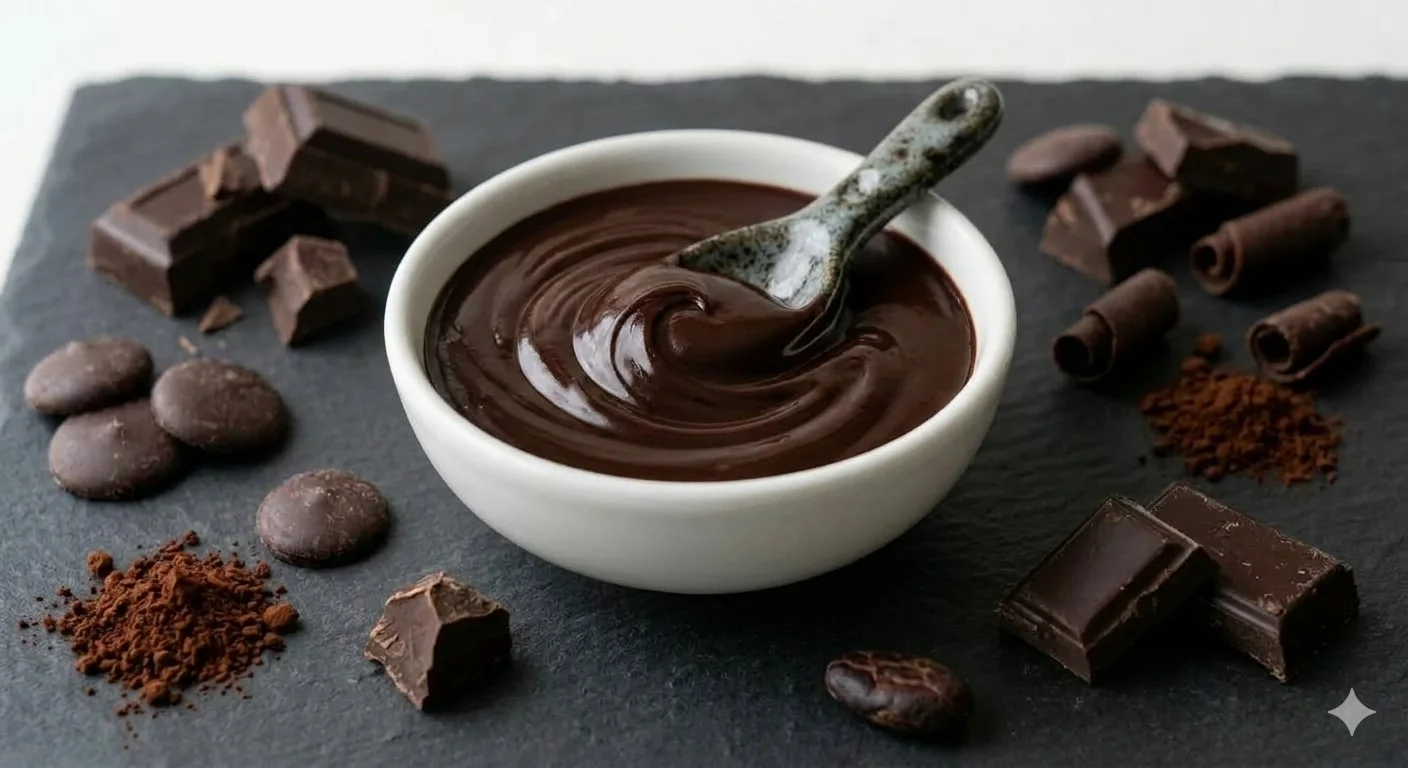
- Make chocolate glaze: heat cream, pour over chopped chocolate, stir until smooth. Cool to 35°C.
- To serve: invert the tin onto a serving board, peel away cling film. Pour the glaze over the top and let it run down the sides. Scatter extra crushed pistachios. Slice with a hot knife for clean cuts.
Semifreddo keeps frozen for up to 1 month wrapped tightly. Unlike ice cream, it never freezes rock-hard — the high egg content keeps it soft enough to slice and eat straight from the freezer. Perfect for dinner parties as it's made entirely the day before.
Add a layer of dark chocolate ganache in the centre instead of kataifi. Marble the pistachio cream through the base for a dramatic green swirl when sliced.
As an Amazon Associate, Royale Dubai Chocolate earns from qualifying purchases.
About This Recipe
Semifreddo is one of Italy's most elegant frozen desserts — "half cold" by translation, it sits between a frozen mousse and an ice cream in texture, never setting rock-hard because the high egg content prevents the formation of large ice crystals. What makes this Dubai Chocolate Semifreddo exceptional is the layering: the dark chocolate base is built in a loaf tin with alternating layers of pistachio cream and toasted kataifi, then frozen and unmolded to reveal a stunning cross-section of color and texture when sliced. It's a dessert that looks like it took all day but is actually assembled in 45 minutes with no churning required.
Unlike ice cream, semifreddo is made by folding whipped egg yolks, sugar, and cream together — the air trapped in the whipping prevents the formation of icy crystals, giving the characteristic smooth, soft texture that you can scoop and eat straight from the freezer. The addition of dark chocolate provides depth and bitterness, while the kataifi layers create pockets of crunch that survive the freezing process better than most add-ins. This recipe makes an ideal dinner party showpiece: prepare the day before, unmold and glaze just before serving.
Tips & Technique
- Line the loaf tin with two layers of clingfilm, leaving a generous overhang on all sides. This is essential for clean unmolding — trying to unmold a semifreddo from an unlined tin almost always results in it breaking apart.
- The sabayon (egg yolk and sugar mixture) must be whipped over the double boiler until the ribbon stage — thick, pale, and doubled in volume, leaving a ribbon that holds for 3 seconds when drizzled. Under-whipped sabayon produces a dense, greasy semifreddo.
- Cool the sabayon before folding in the cream. Hot sabayon melts the whipped cream, deflating all the air you've incorporated. Set the bowl over ice water and whisk gently until the mixture feels cool to the touch.
- The kataifi layers must be cooled completely before being sandwiched into the semifreddo. Warm kataifi melts the surrounding cream mixture on contact, causing the layers to blur rather than remaining distinct.
- Freeze for a minimum of 6 hours, preferably overnight. A just-frozen semifreddo won't unmold cleanly and will be too soft to hold its shape when sliced at the table.
Ingredient Notes
- Eggs: The 4 whole eggs are separated — yolks for the sabayon, whites for additional lightness. As with the mousse recipe, use the freshest eggs possible or pasteurized eggs if cooking for vulnerable groups. The sabayon is heated over a double boiler which partially cooks the yolks, making this slightly safer than a fully raw-egg recipe.
- Dark chocolate (for glaze): The 150g glaze chocolate is different from the chocolate in the base — it should be a couverture or high-quality bar that sets with a clean, glossy finish. Adding 1 tsp of coconut oil to the glaze chocolate helps it flow smoothly and creates a thinner, more elegant coating.
- Kataifi: Toast to a deep golden color before layering — pale kataifi has little flavor and the contrast of buttery crunch against the smooth dark chocolate is one of the defining elements of this dessert. Cool completely on a plate before assembling.
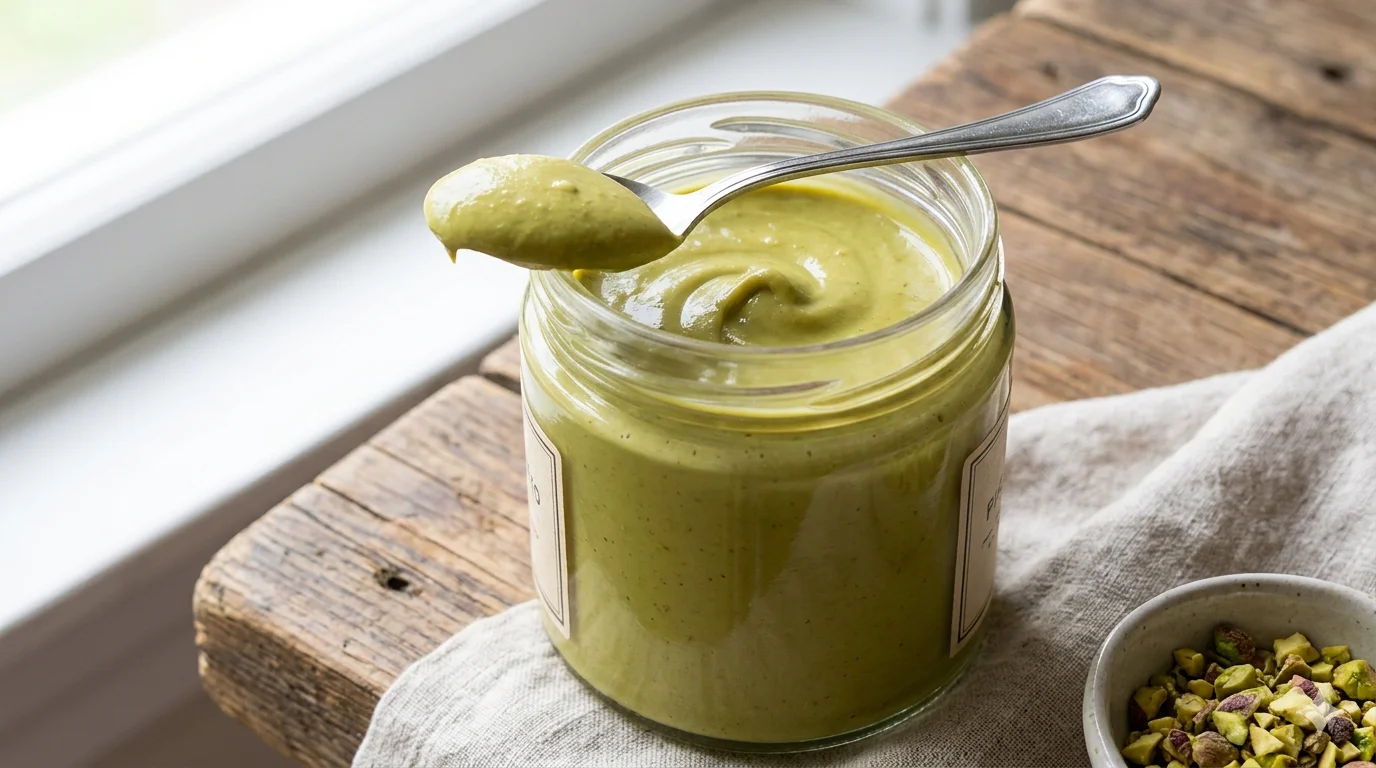
- Pistachio cream: Use room-temperature pistachio cream for the layers — it spreads easily without tearing the delicate semifreddo base. Thin it with a teaspoon of warm cream if your brand is very thick.
Serving & Storage
Unmold by lifting the clingfilm overhang onto a chilled serving board. Peel back the clingfilm gently. Pour the warm chocolate glaze down the center in a thin line, allowing it to drip down the sides naturally. Scatter crushed pistachios and gold leaf immediately before the glaze sets. Slice with a hot, dry knife (run under hot water and wipe between each cut) for clean slices that show the internal layers. Return any remaining semifreddo to the freezer immediately — it softens at room temperature within 10 minutes. Keeps frozen for up to 1 month tightly wrapped.
Frequently Asked Questions
What's the difference between semifreddo and ice cream?
Ice cream is churned during freezing to break up ice crystals, creating a smooth, dense, scoopable result. Semifreddo is not churned — instead, the high egg and cream content prevents large ice crystals from forming, keeping the texture smooth and soft. Semifreddo is lighter and more mousse-like; it can be eaten straight from the freezer and is softer at the same temperature as ice cream. No machine is required.
Can I make this without a loaf tin?
Yes — use any freezer-safe container. Individual ramekins lined with clingfilm produce elegant single-portion desserts that unmold beautifully. A springform cake tin works for a round semifreddo that's sliced in wedges like a cake. Adjust freezing time based on the depth of the container — shallower containers freeze faster.
Why is my semifreddo grainy or icy?
Graininess usually means the sabayon wasn't whipped long enough (not enough air incorporated), the whipped cream was deflated during folding, or the mixture wasn't frozen fast enough. Ensure you use a cold freezer (not one that has been left open or is overfilled), fold the cream gently, and put the semifreddo in the coldest part of the freezer. A grainy semifreddo is still edible but the texture won't be as silky.
Can I prepare this more than a day ahead?
Yes — semifreddo keeps frozen for up to 1 month wrapped tightly in clingfilm and then in foil. The texture stays excellent for the full period. Add the chocolate glaze and garnishes fresh on the day you plan to serve — pre-glazed semifreddo develops frost on the glaze surface during extended freezer storage, which dulls the finish.