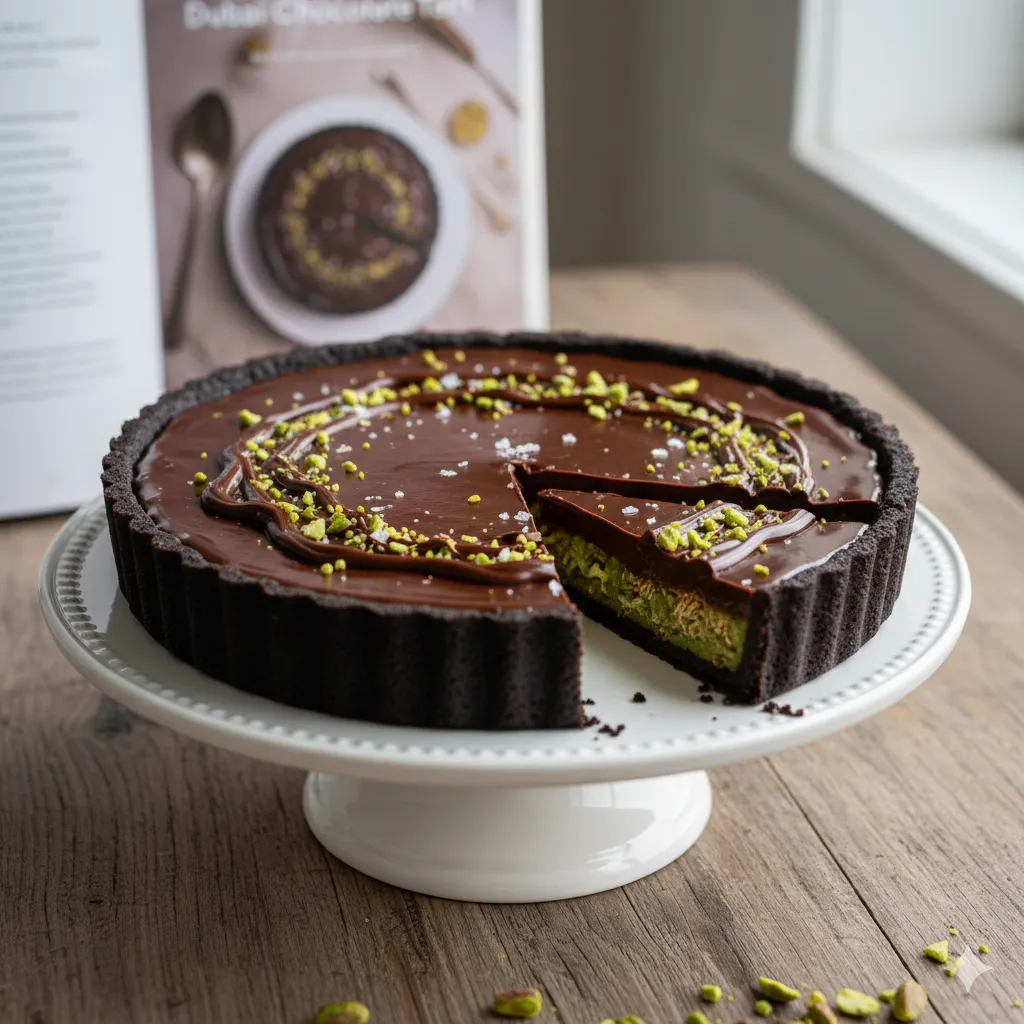
Dubai Chocolate Tart
A crisp, buttery cocoa pastry case filled with silky dark chocolate ganache baked over a bed of pistachio-kataifi. Elegant and deeply satisfying.
- Chocolate Shortcrust Pastry
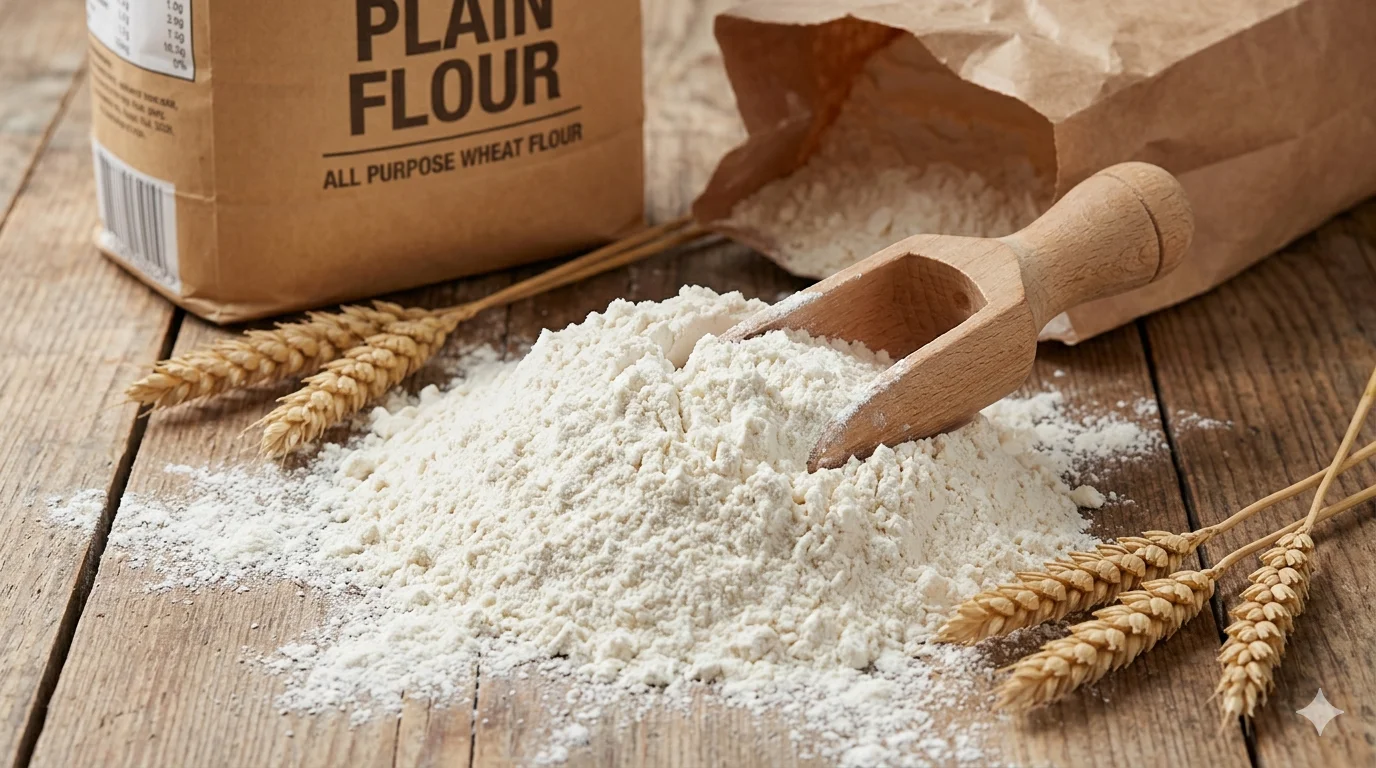
- Plain flour200g
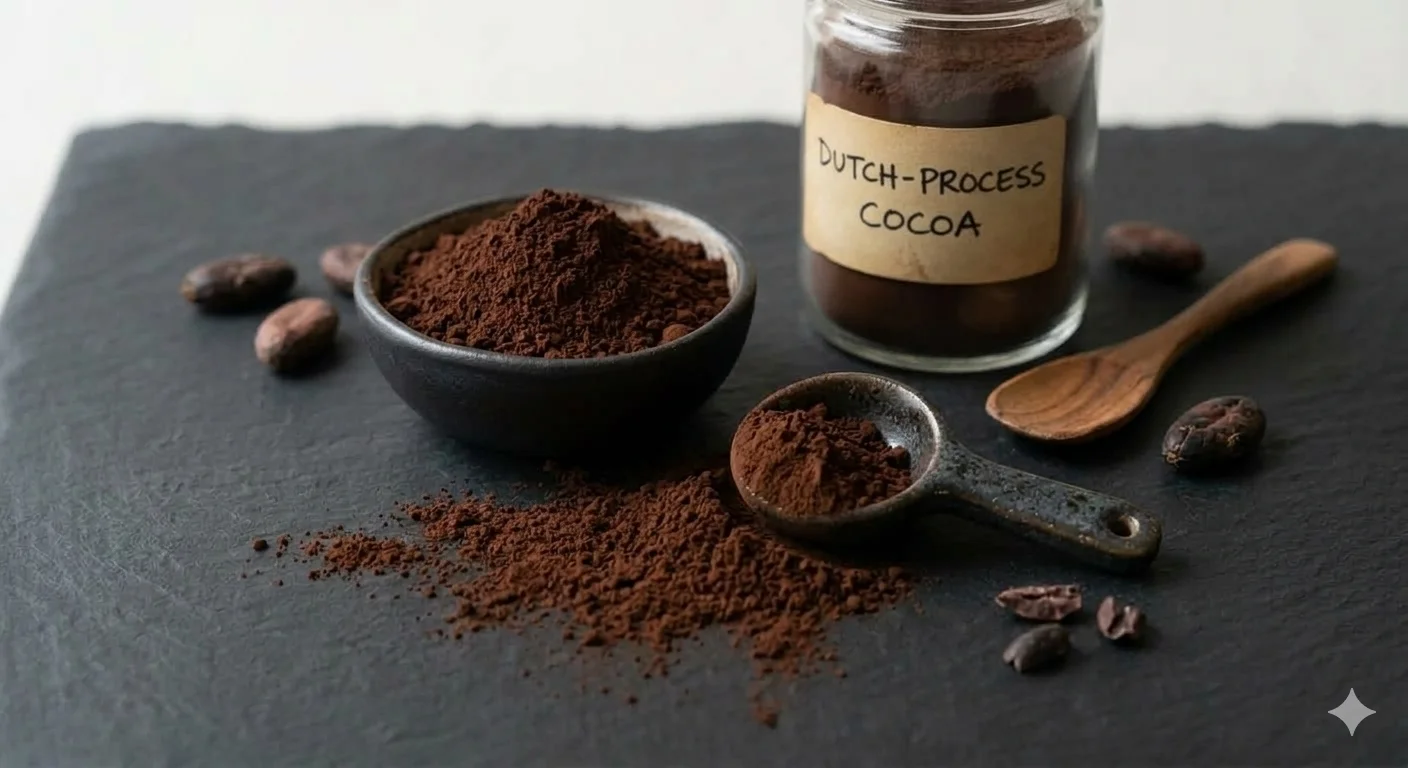
- Dutch-process cocoa powder25g
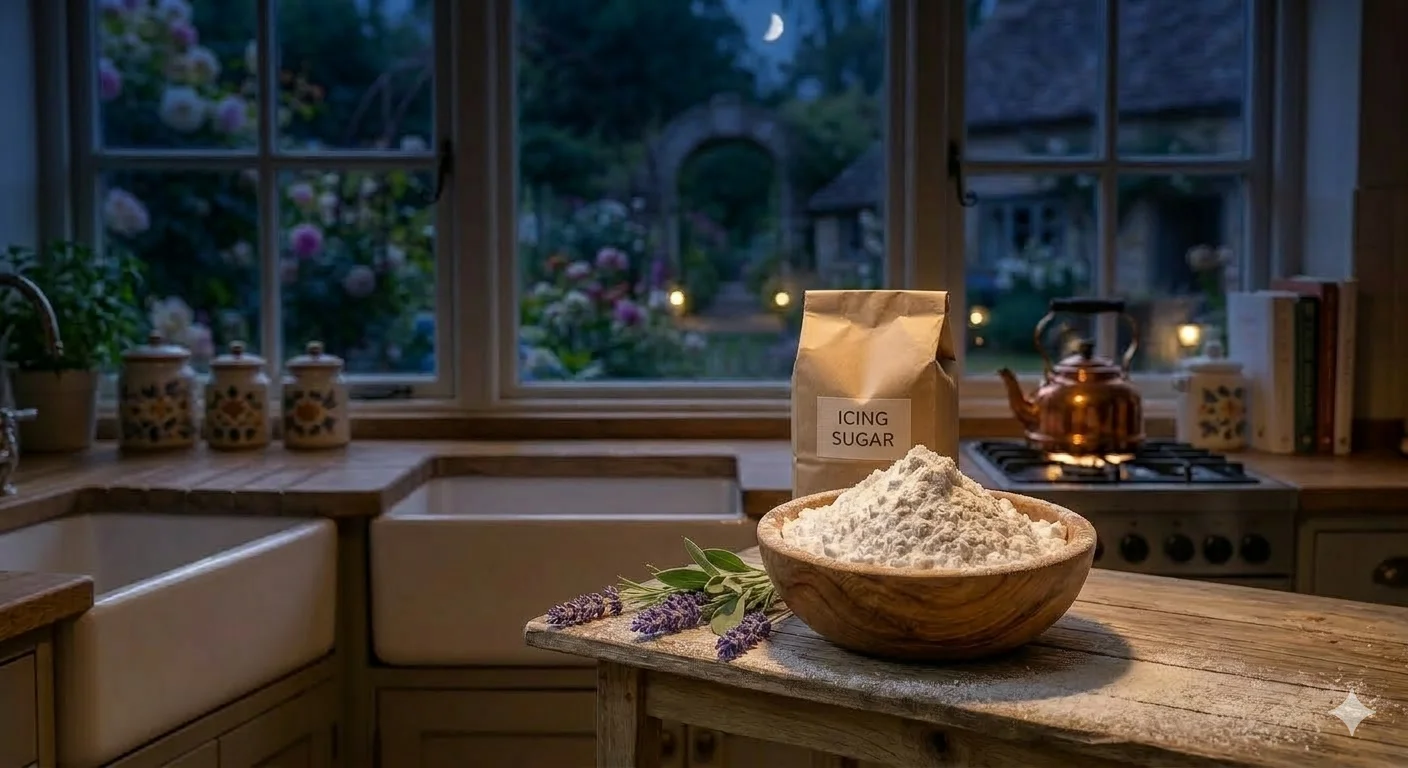
- Icing sugar60g
- Fine salt¼ tsp
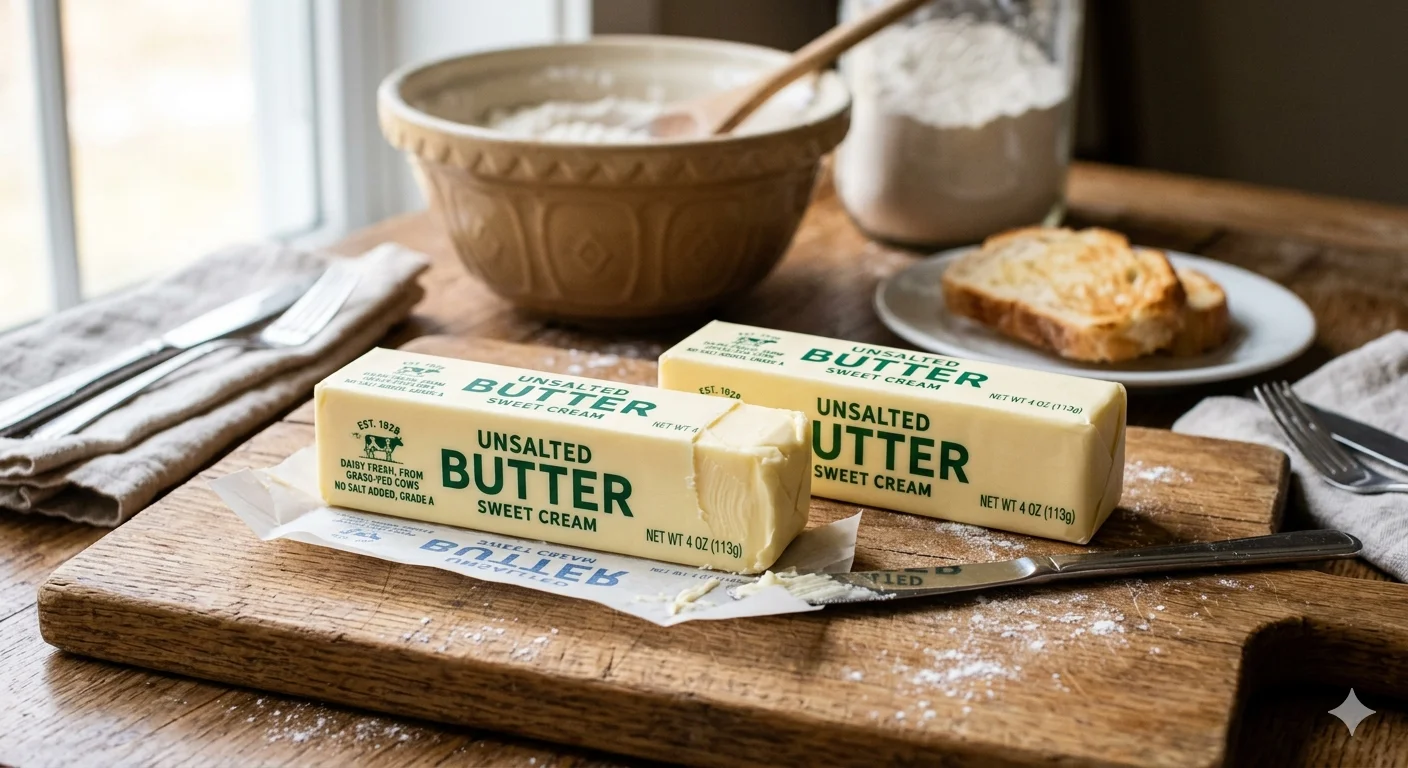
- Cold unsalted butter, cubed125g
- Egg yolks2
- Ice-cold water (as needed)2–4 tbsp
- Kataifi Layer
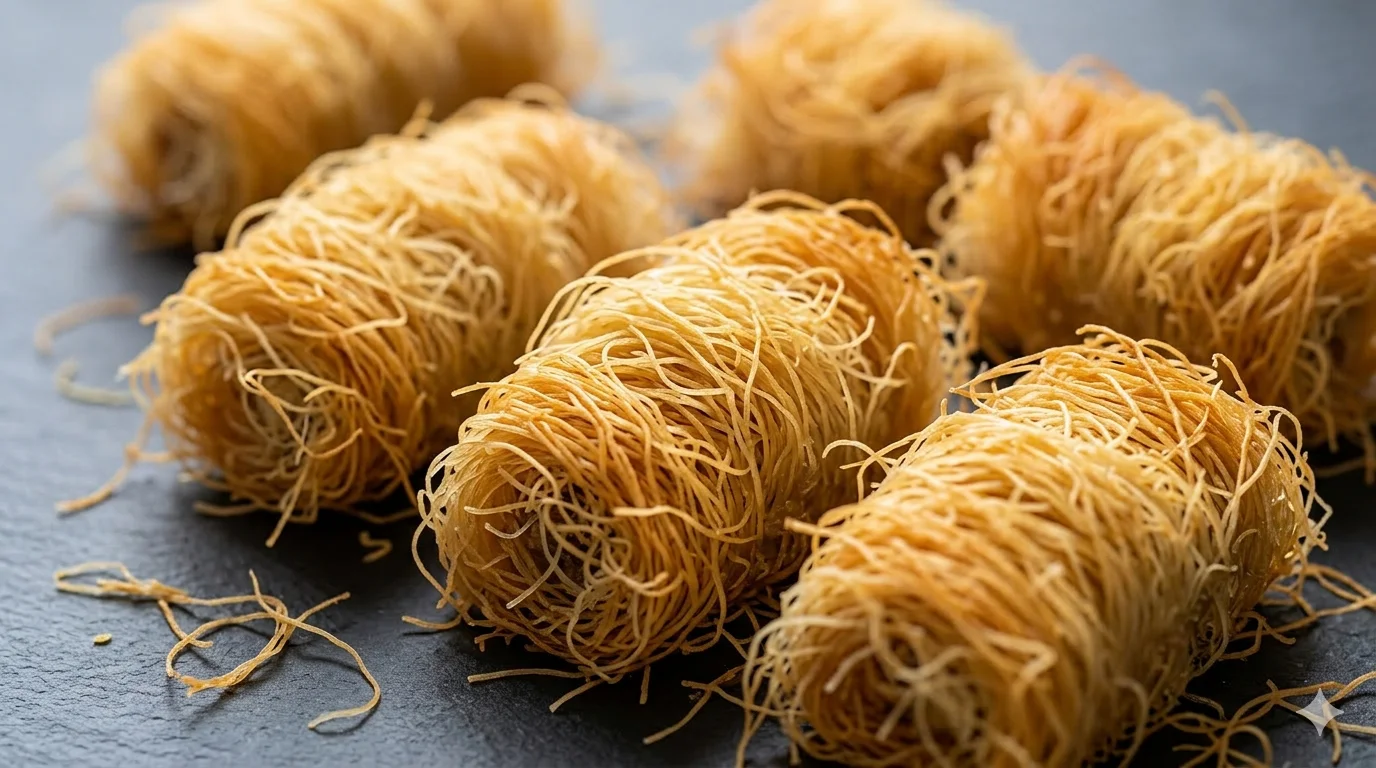
- Kataifi pastry120g
- Unsalted butter30g
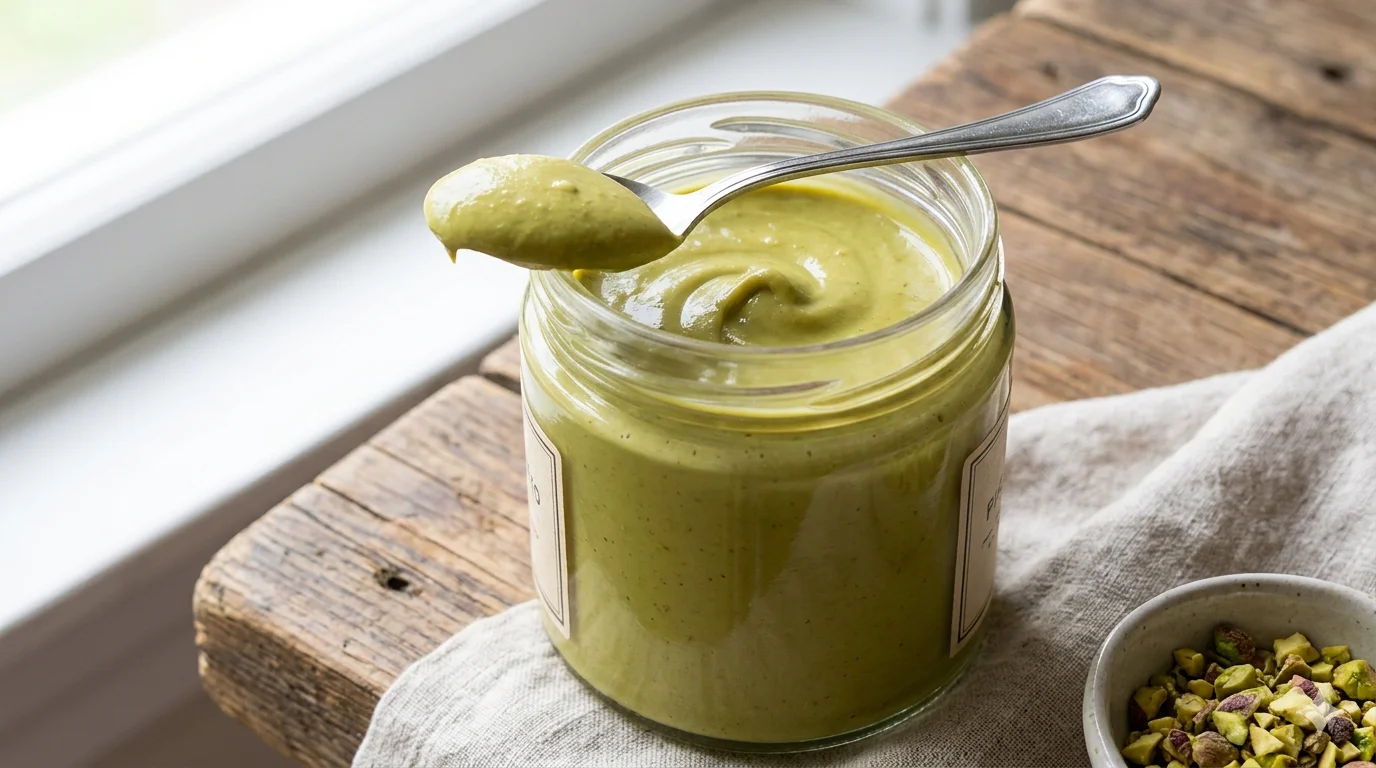
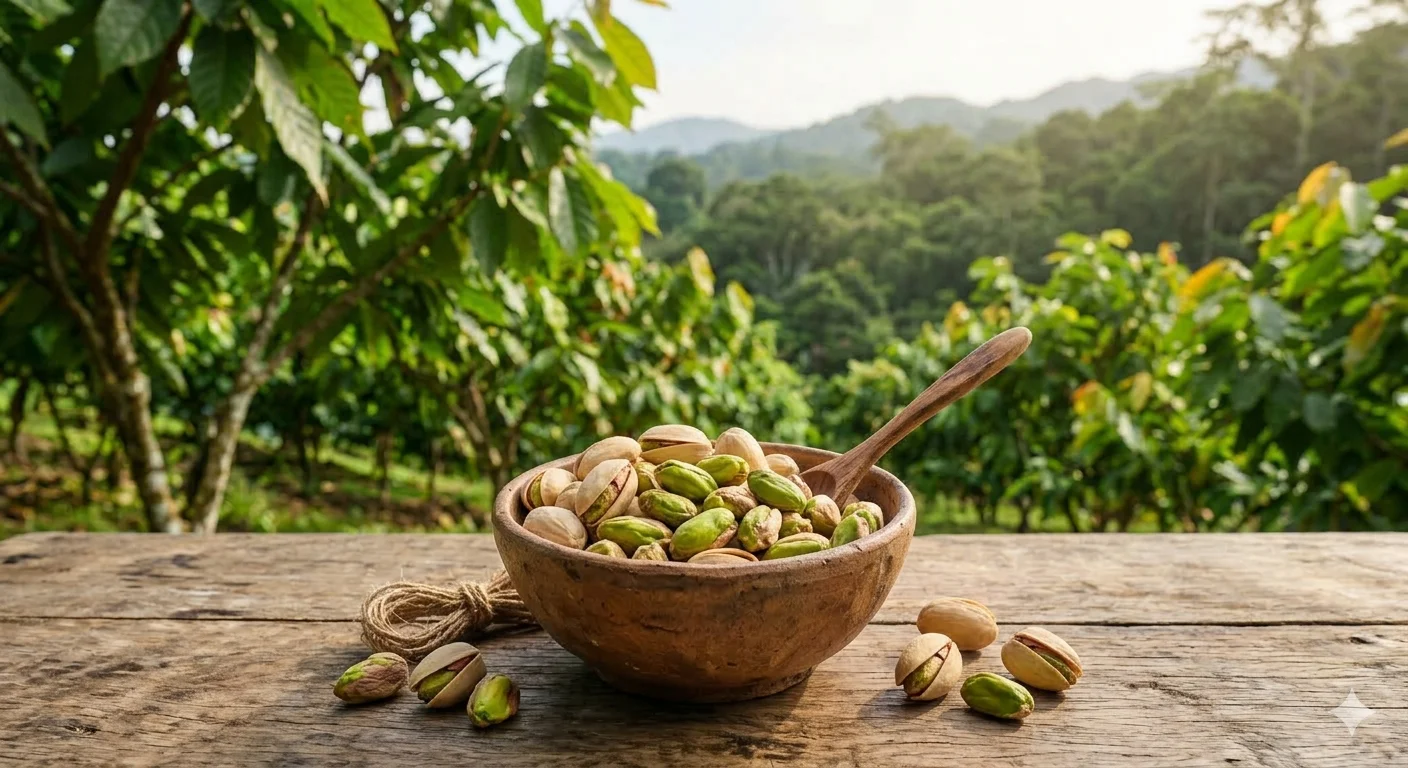
- Pistachio cream140g
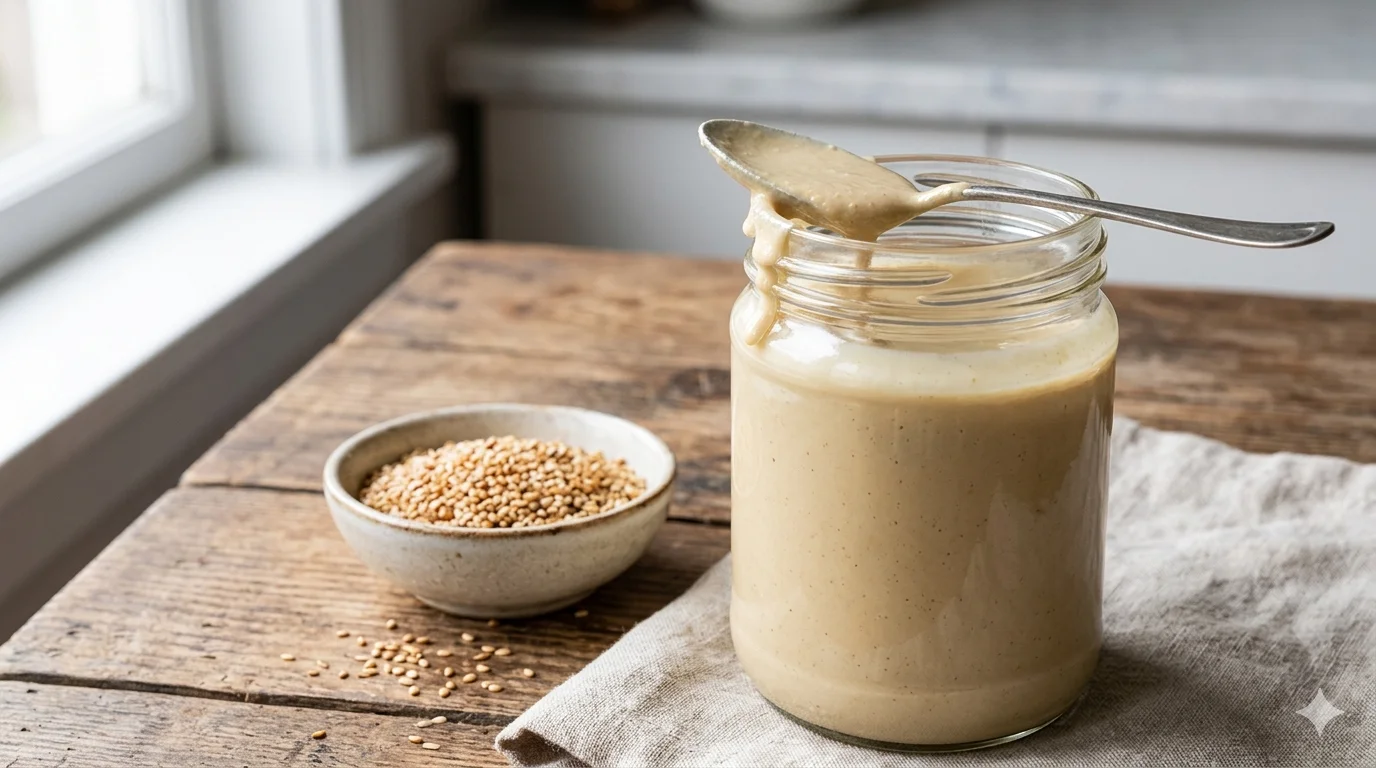
- Tahini20g
- Ganache Filling
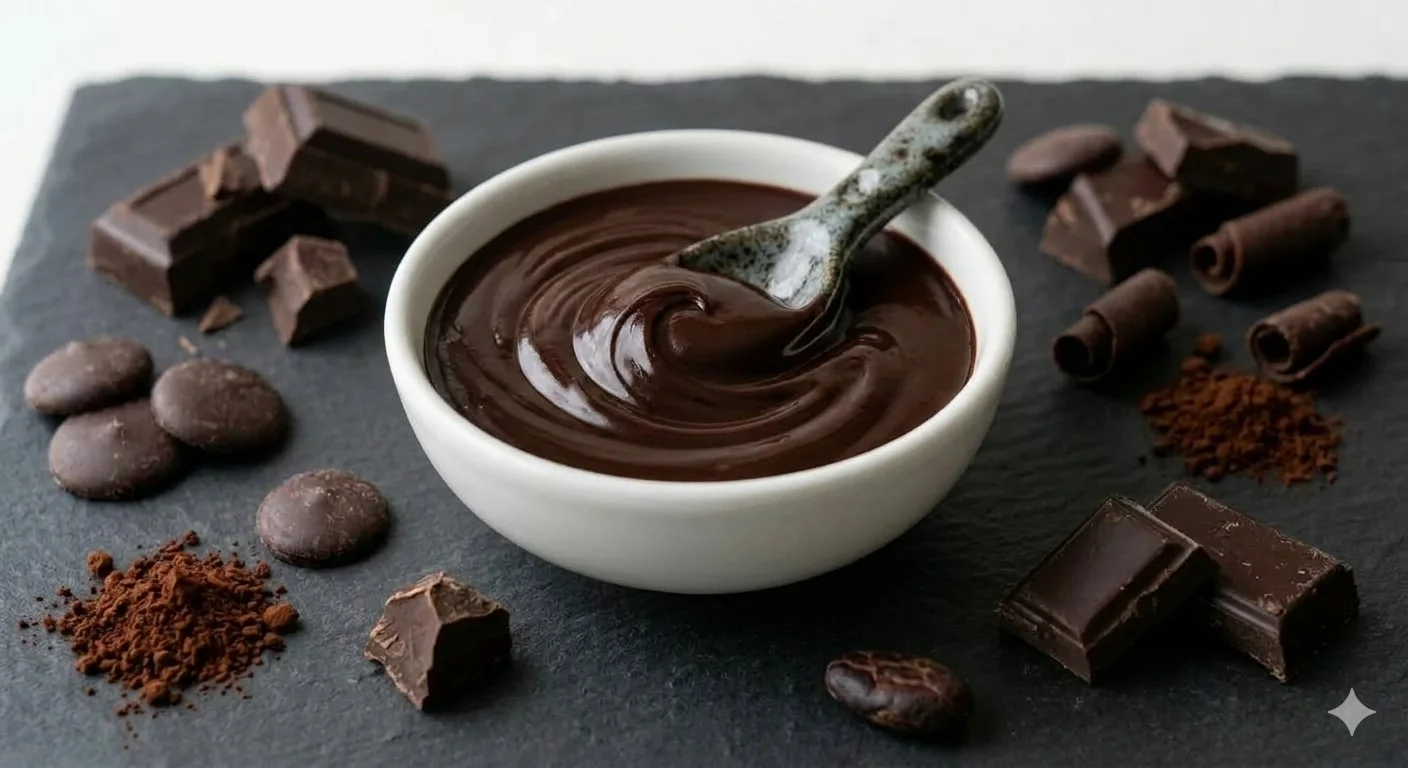
- Dark chocolate (70%), finely chopped200g
- Heavy cream220ml
- Whole egg1 large
- Egg yolk1
- Unsalted butter20g
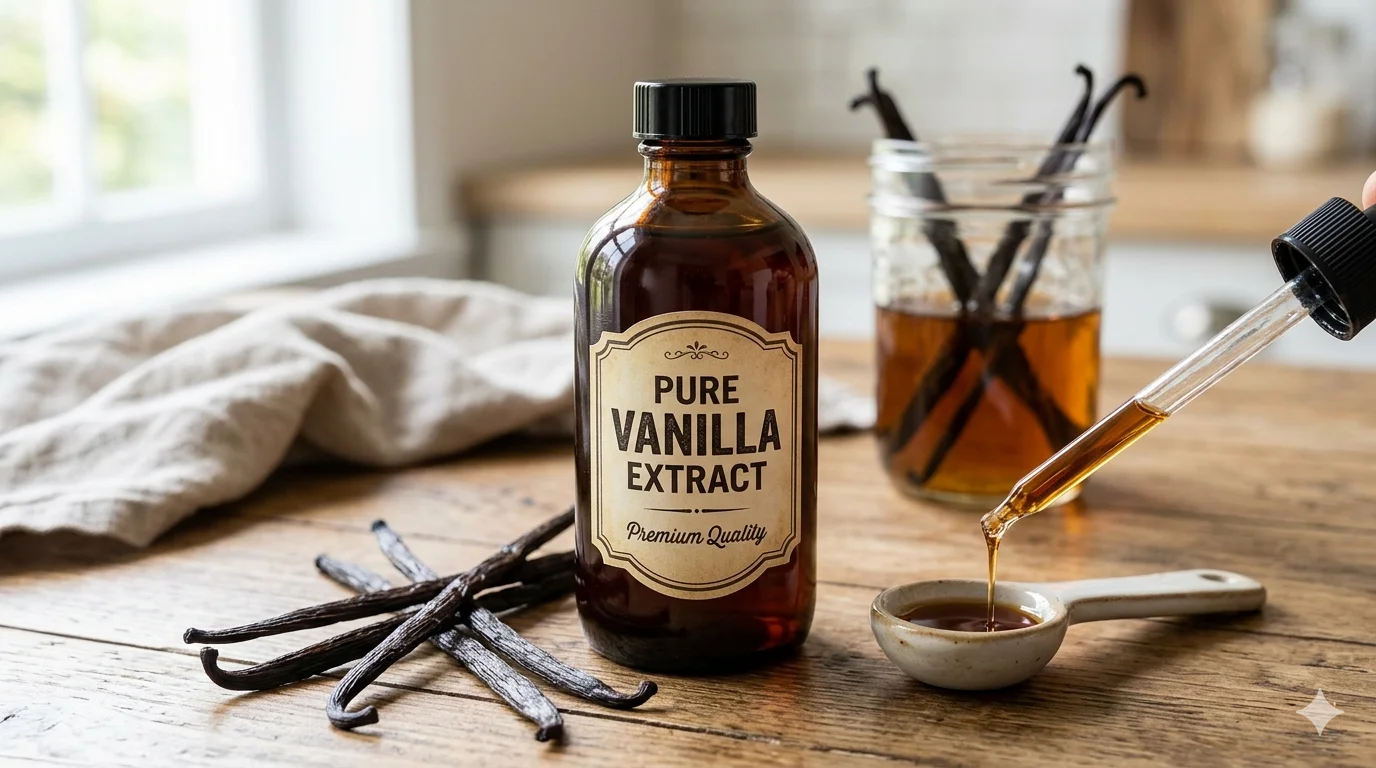
- Vanilla extract½ tsp
- Finish
- Dark chocolate, melted (drizzle)50g
- Crushed pistachios40g
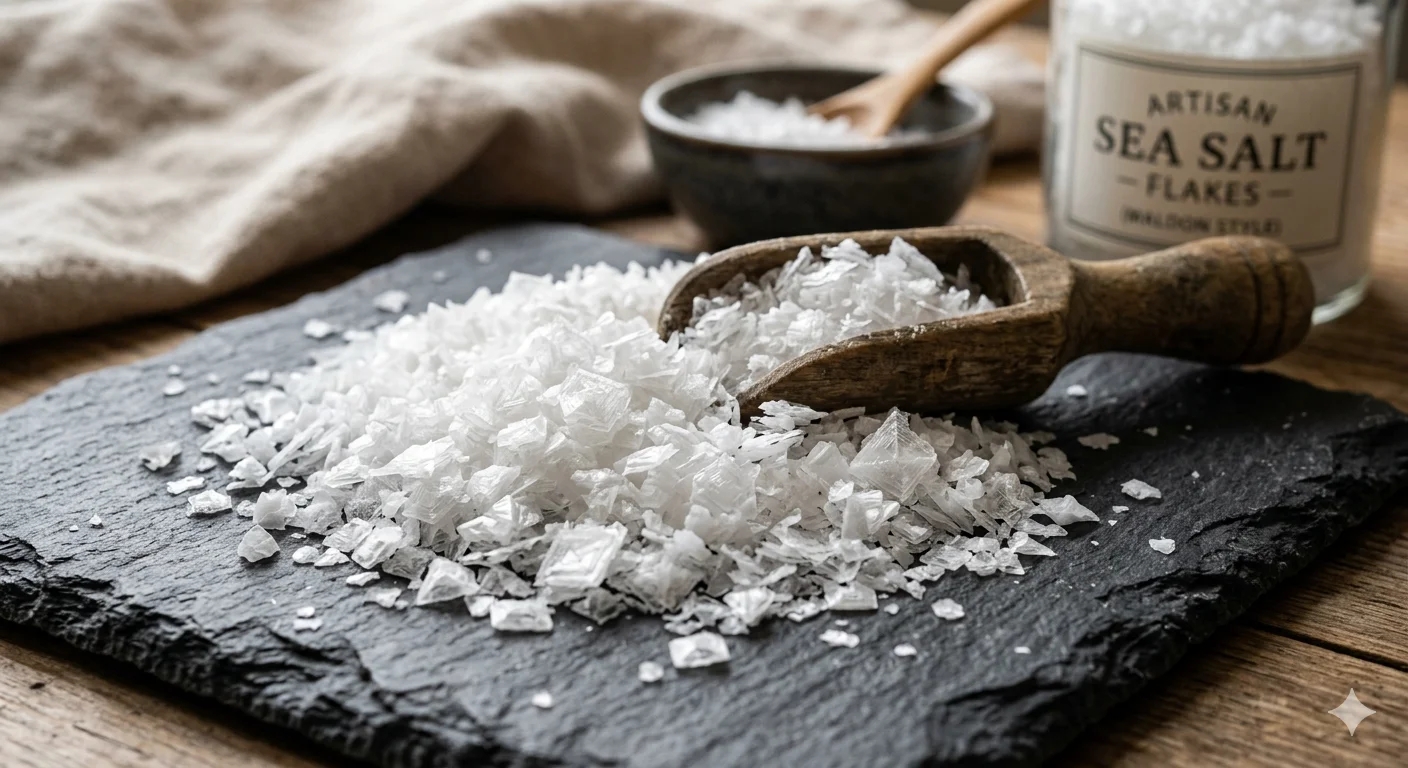
- Sea salt flakespinch
- Make the pastry: in a food processor, pulse flour, cocoa, icing sugar, and salt to combine. Add cold butter and pulse until the mixture resembles fine breadcrumbs. Add egg yolks and pulse. Add ice water, one tablespoon at a time, pulsing just until the dough comes together. Do not overwork. Shape into a disc, wrap in cling film, and refrigerate for 1 hour minimum (or overnight).
- Preheat oven to 180°C / 350°F. Roll the chilled pastry on a lightly floured surface to 3mm thickness, working quickly. Line a 23cm fluted tart tin with a removable base, pressing carefully into the fluting. Trim the edges. Prick the base all over with a fork.
- Line the pastry with parchment and fill with baking weights or dried beans. Blind bake for 18 minutes. Remove weights and parchment, then bake a further 8–10 minutes until the pastry looks dry and matte. The base must be completely cooked — a soggy bottom is the enemy. Allow to cool in the tin.
- While the pastry blind bakes, make the kataifi layer: toast kataifi in butter until golden (8–10 min). Off heat, stir in pistachio cream and tahini. Mix until evenly coated. Taste and add a pinch of salt if needed. Allow to cool.
- Once the pastry case is cool, spread the kataifi filling in an even layer across the base. Press gently to compact without cracking the shell. Place in the fridge while you make the ganache.
- Make the ganache: heat cream until just simmering. Pour over the chopped chocolate. Let sit 2 minutes, then stir from the centre until smooth. Add butter and vanilla, stir until glossy. In a small bowl, beat the egg and egg yolk lightly. Add to the ganache, stirring quickly so the eggs don't scramble. The ganache should be smooth and pourable.
- Reduce oven to 160°C / 325°F. Pour the ganache over the kataifi layer, filling to just below the pastry rim. Bake for 18–22 minutes until the edges are set but the centre still has a gentle, glassy wobble. Do not overbake — it will firm up significantly as it cools.
- Cool the tart at room temperature for 30 minutes, then refrigerate for at least 2 hours. Remove from the tin by placing on a can or jar and letting the ring fall away. Transfer to a serving plate.
- Finish with a fine drizzle of melted chocolate, a generous scatter of crushed pistachios, and a pinch of sea salt flakes. Slice with a knife dipped in hot water and wiped dry between cuts.
The pastry is the most technical part — handle it as little as possible and keep everything cold. If the pastry cracks during lining, just patch it with damp fingers. A cracked but fully baked pastry holds ganache perfectly fine.
Make individual tartlets in a muffin tin (blind bake 12 min, bake with filling 10–12 min). Use milk chocolate for a sweeter, creamier ganache. Add a layer of salted caramel between the kataifi and ganache.
As an Amazon Associate, Royale Dubai Chocolate earns from qualifying purchases.
About This Recipe
The Dubai Chocolate Tart is the most technically ambitious recipe in this collection — and the most rewarding. A chocolate shortcrust pastry shell baked to a crisp, buttery snap provides the foundation; a layer of butter-toasted kataifi with tahini adds height and crunch; then a silky dark chocolate ganache fills the shell to the brim. The result is a tart that looks like it belongs in a Parisian pâtisserie window: glossy, sleek, and deeply impressive. The Dubai chocolate influence is in the kataifi layer and pistachio cream garnish — both unmistakably contemporary and Middle Eastern in character.
The recipe uses a classic chocolate shortcrust pastry made with cold butter worked into flour and cocoa — the cold fat creates a flaky, tender pastry rather than a greasy one. The ganache filling is poured while warm and settles perfectly level as it cools, requiring no decoration beyond a drizzle of melted chocolate and a scatter of crushed pistachios. This tart is an ideal make-ahead dinner party dessert: every component can be prepared the day before, with the final assembly taking under 10 minutes before serving.
Tips & Technique
- Keep everything cold when making the pastry — cold butter, cold bowl, cold hands. If the butter starts to feel greasy between your fingertips, stop and refrigerate the pastry for 10 minutes before continuing. Warm butter produces a greasy, crumbly pastry that shrinks dramatically in the oven.
- Rest the pastry in the fridge for at least 30 minutes before rolling — this allows the gluten to relax, preventing the pastry from springing back when you roll it and shrinking less during blind baking.
- Blind bake properly: line with parchment, fill with baking beans or rice right to the top, and bake for the full time. If the beans don't fill the shell completely, the sides will collapse inward before the pastry sets.
- Pour the ganache from low down, close to the surface of the kataifi — this minimizes the fall and reduces the chance of air bubbles. Use a spatula to gently spread if the ganache doesn't level itself within 60 seconds.
- Let the tart set at room temperature for 2 hours minimum before slicing — refrigerating while still warm causes condensation on the surface that dulls the ganache gloss.
Ingredient Notes
- Plain flour (for pastry): Standard plain (all-purpose) flour creates the right balance of tenderness and structure. Bread flour has too much protein and produces a tough pastry; cake flour is too low in protein and produces one that crumbles when sliced. Plain flour is the correct choice for shortcrust.
- Dark chocolate for ganache (70%): The ganache is made by pouring hot cream over finely chopped chocolate. The quality of the chocolate determines everything — use a brand you'd happily eat on its own. Callebaut 811, Valrhona Manjari (64%), or a quality supermarket 70% bar all work well.
- Tahini (in kataifi layer): The 20g of tahini in the kataifi layer adds a subtle savory depth without making the tart taste of sesame. It also helps bind the kataifi together into a cohesive layer that holds when the ganache is poured over. Use a smooth, runny tahini — not a separated, grainy one.
- Heavy cream (for ganache): Double cream (48% fat in the UK) produces the richest, most stable ganache. The equal-weight cream to chocolate ratio in this recipe creates a pourable but firm-setting ganache — if it seems too thick after resting, add 20ml warm cream and stir to loosen before pouring.
Serving & Storage
Serve the tart at cool room temperature — cold ganache from the fridge is dense and loses its silky quality; room-temperature ganache has a yielding, melting texture that is far more pleasurable. Slice with a warm knife (run under hot water, dry between cuts) for clean, glassy edges. A small quenelle of lightly sweetened whipped cream alongside each slice is an elegant pairing. The tart keeps refrigerated for up to 5 days — cover loosely with foil without pressing against the ganache surface, which would mark it. Remove from the fridge 30 minutes before serving.
Frequently Asked Questions
My pastry shrank badly in the oven — what happened?
Pastry shrinkage is caused by: gluten development (too much working of the dough), insufficient resting (gluten contracts during baking if not relaxed), or not pressing the pastry firmly enough into the corners of the tin. Chill the pastry for 30 minutes after lining the tin and before blind baking. Ensure baking beans fill the entire shell so the sides are supported during the initial baking phase.
My ganache looks grainy or has white streaks — can I fix it?
White streaks or a grainy ganache usually means the chocolate seized or the cream was added too cold. For a seized ganache, add warm cream in small increments while stirring constantly — you can often bring it back to smooth. For bloom (white streaks from temperature change), the ganache is still safe and usable; use a stick blender to smooth if needed.
Can I make individual tartlets instead of one large tart?
Yes — use individual 10cm tartlet tins. Divide the pastry and blind-bake for 15 minutes total. Reduce the kataifi and ganache proportionally. Individual tartlets look more elegant for dinner parties and are easier to serve — each guest gets their own perfectly portioned dessert with no slicing required at the table.
Can I make the tart components in advance?
Yes — the pastry shell can be blind-baked 2 days ahead and stored in an airtight tin at room temperature. The kataifi filling can be made 1 day ahead and refrigerated; bring to room temperature before using. Make and pour the ganache on the day of serving for the best surface finish. The assembled but unset tart can be refrigerated overnight if needed.